Recovery aids for foot injuries
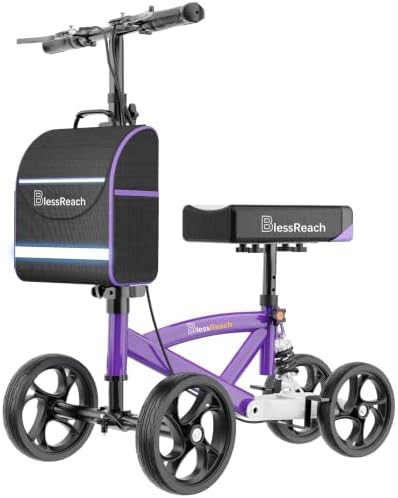
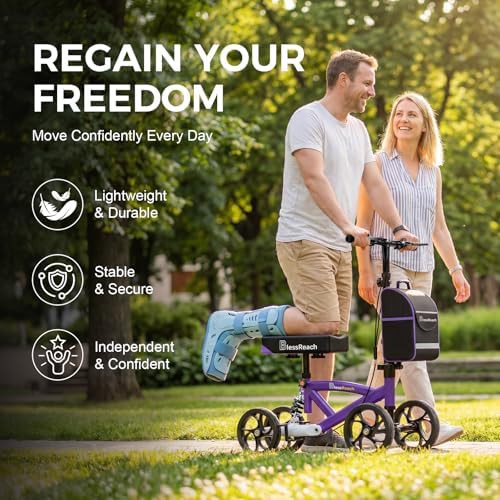
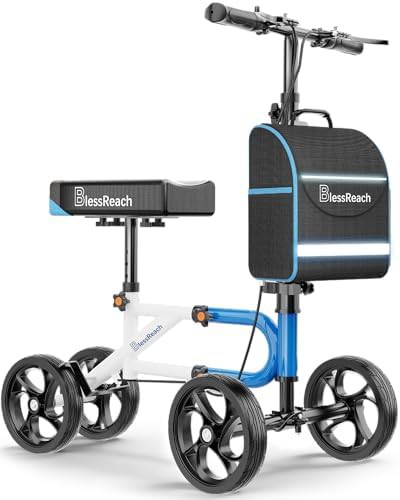
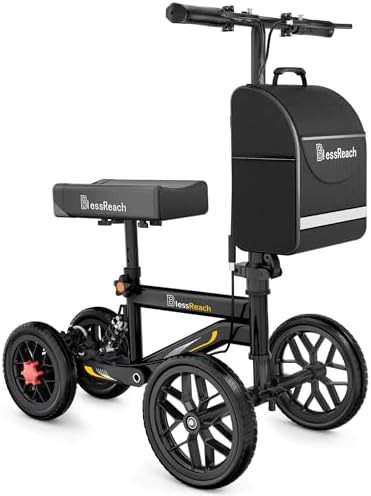
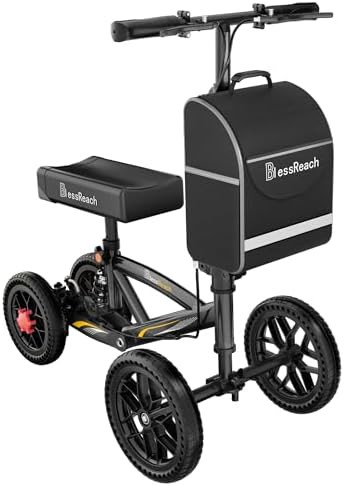
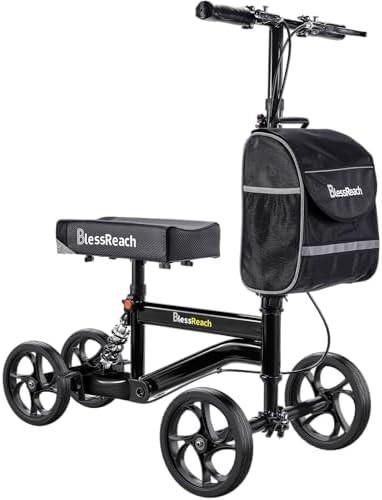
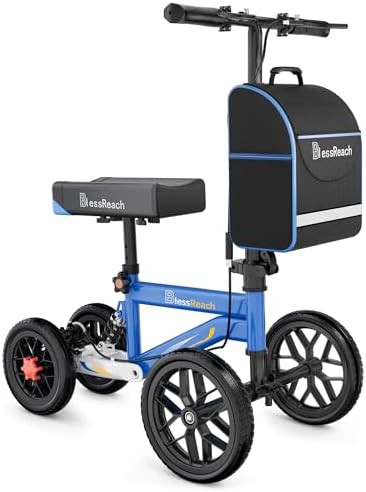
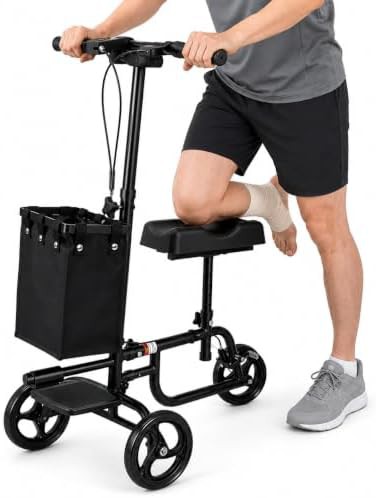
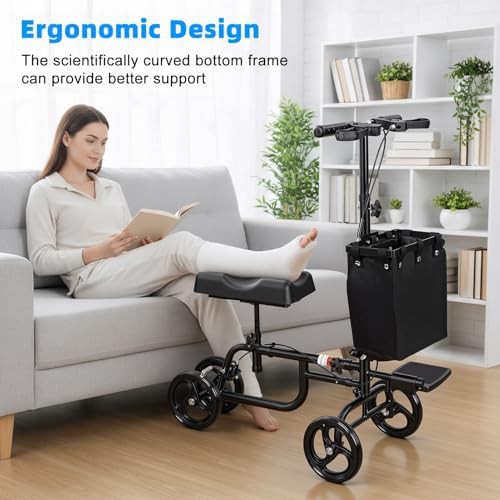
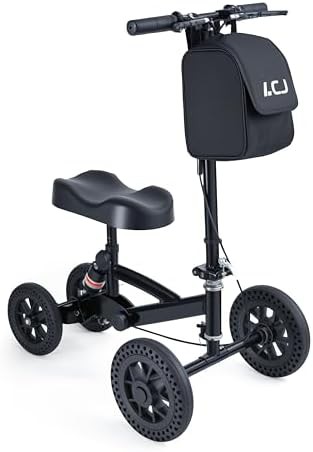
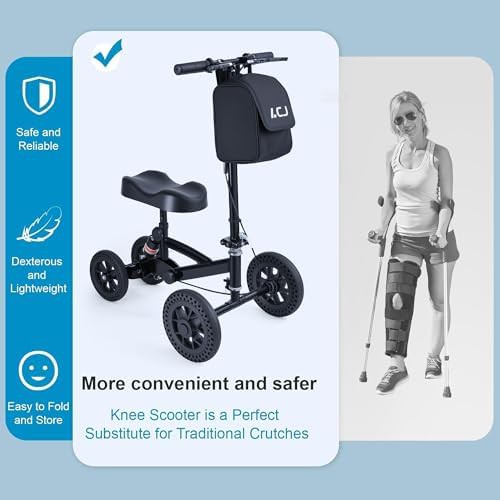
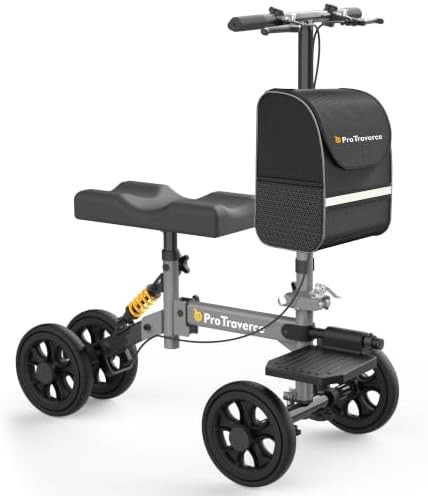
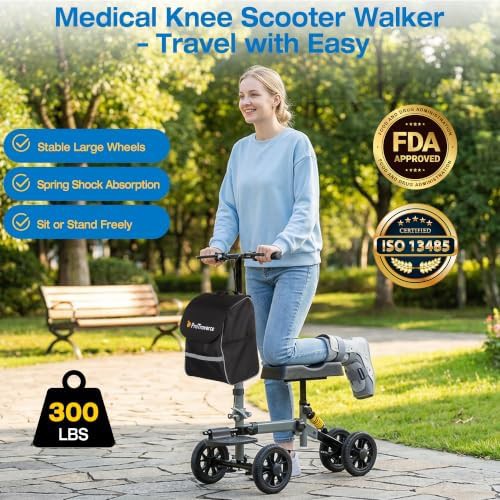
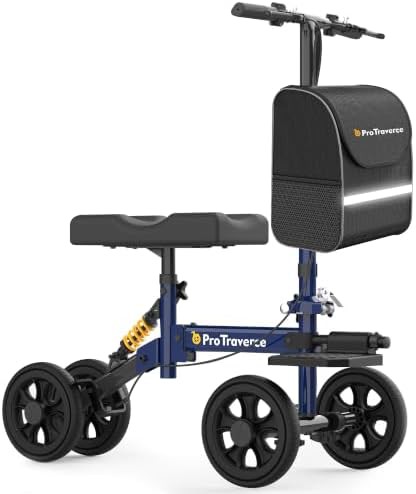
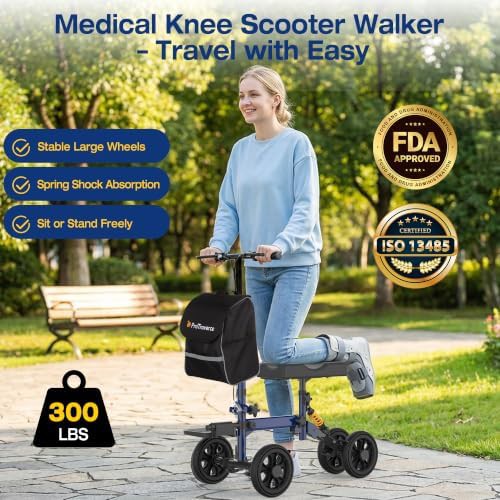
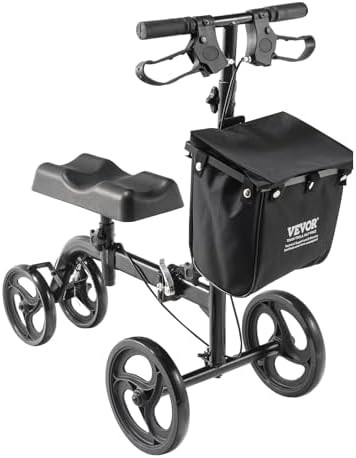
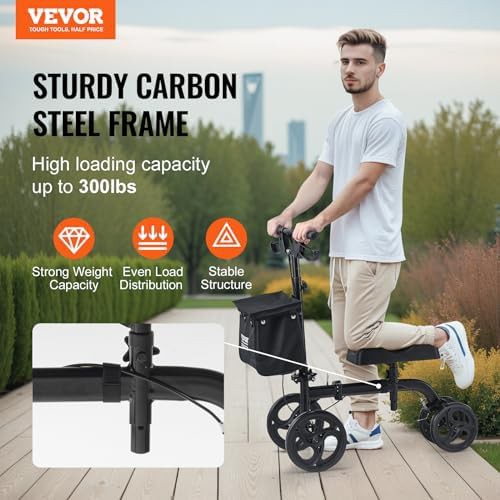
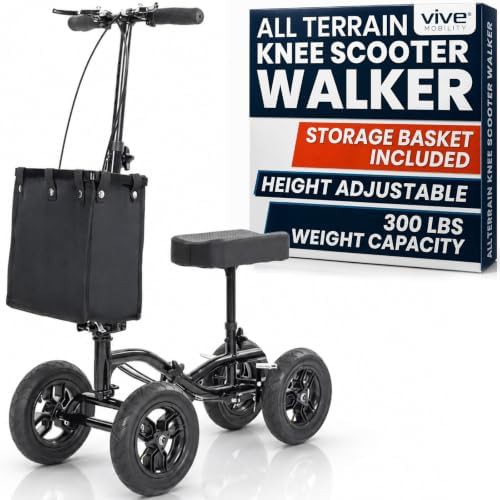
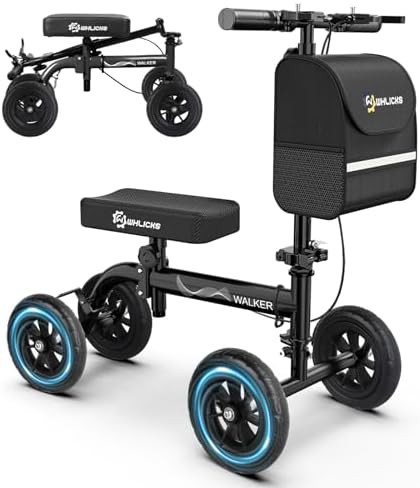
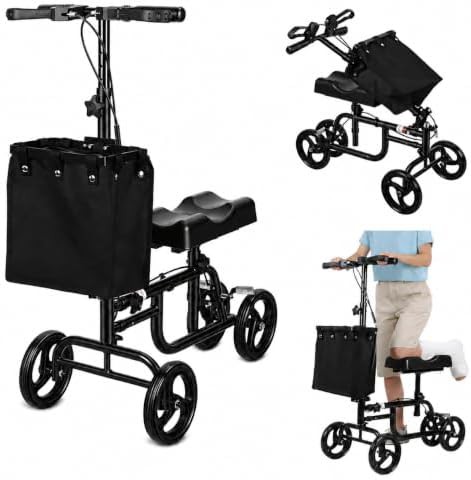
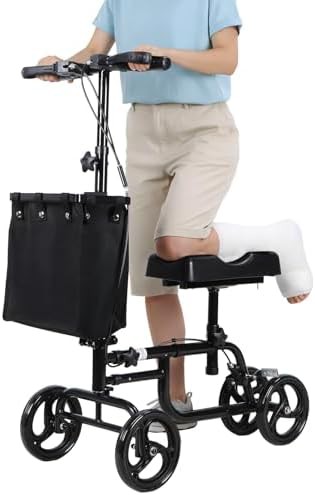
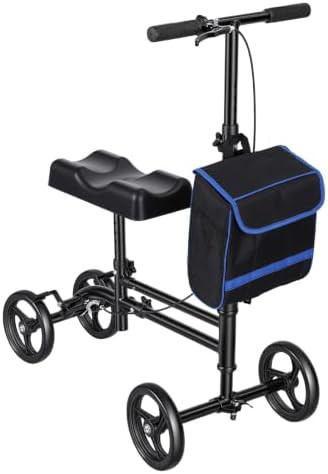
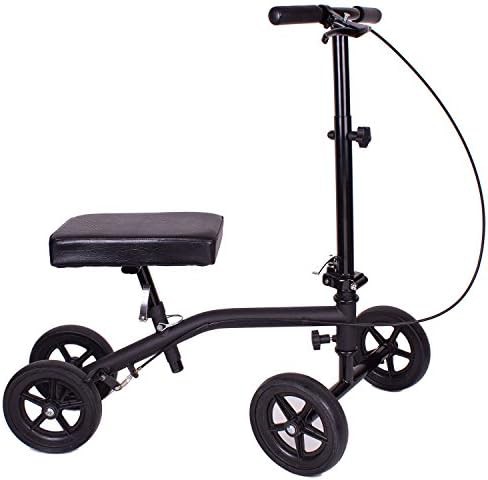
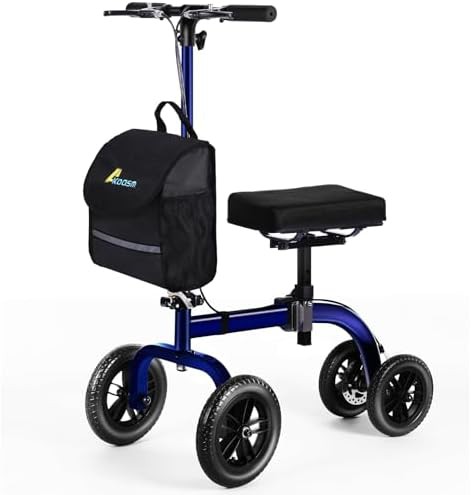
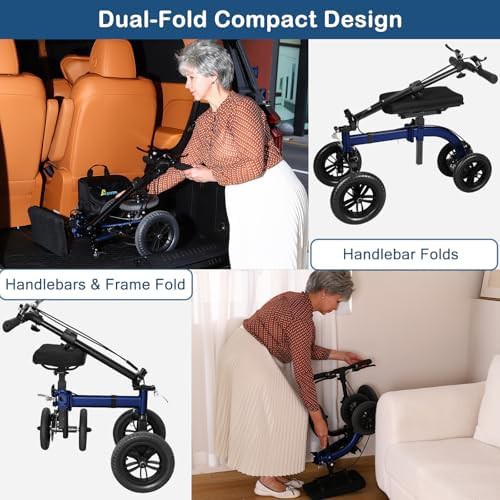
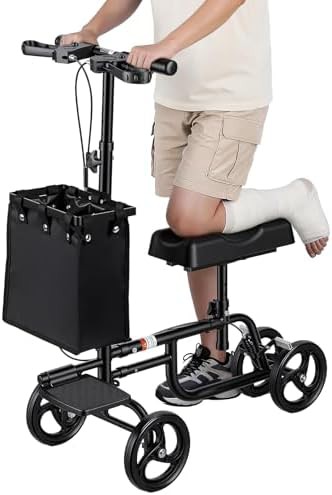
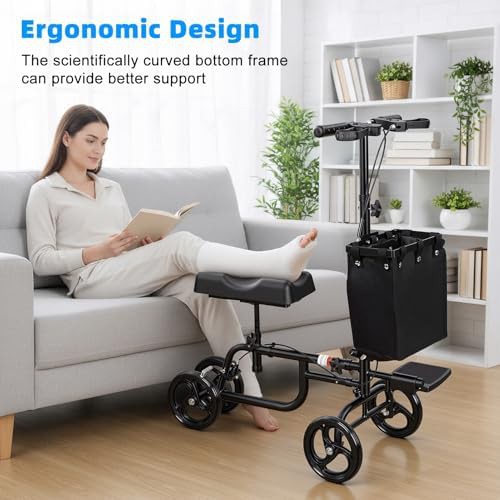
These listings are curated for users who must remain non-weight bearing due to a broken foot or ankle surgery. Unlike crutches, these scooters distribute your weight across a padded platform, which prevents underarm strain and fatigue. This set includes lightweight models that are easy to lift over thresholds.
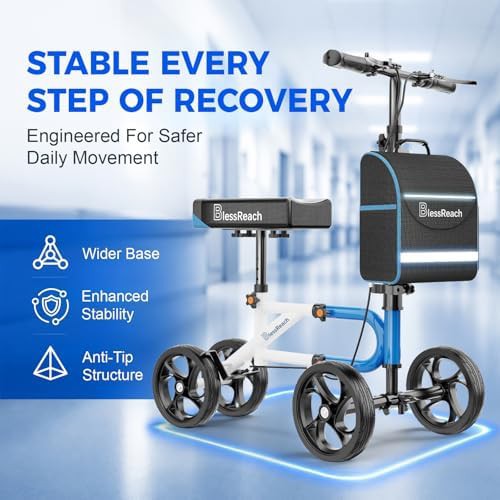
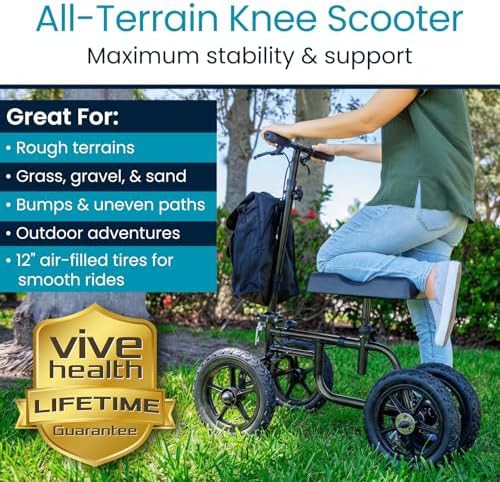
The focus here is on stability and daily utility. Most of these walkers are designed for indoor use or smooth outdoor paths. They allow you to keep your injured foot elevated and protected while you perform daily tasks like cooking or moving between rooms.
Standard equipment for foot recovery
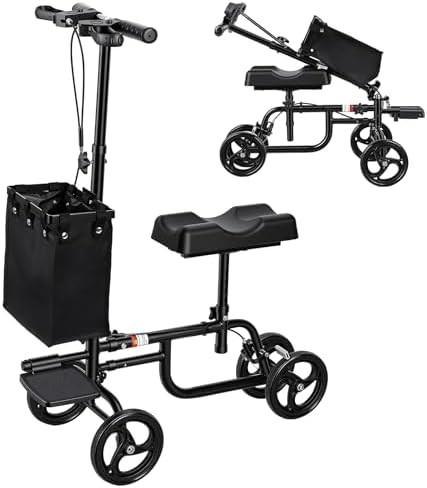
The walkers in this set share several practical design elements to help with mobility during the healing process:
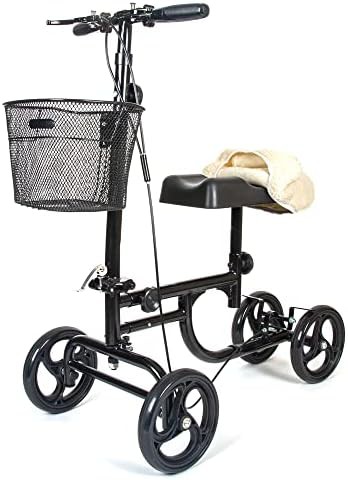
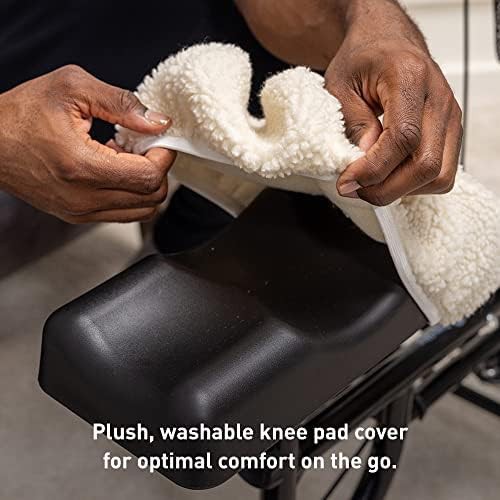
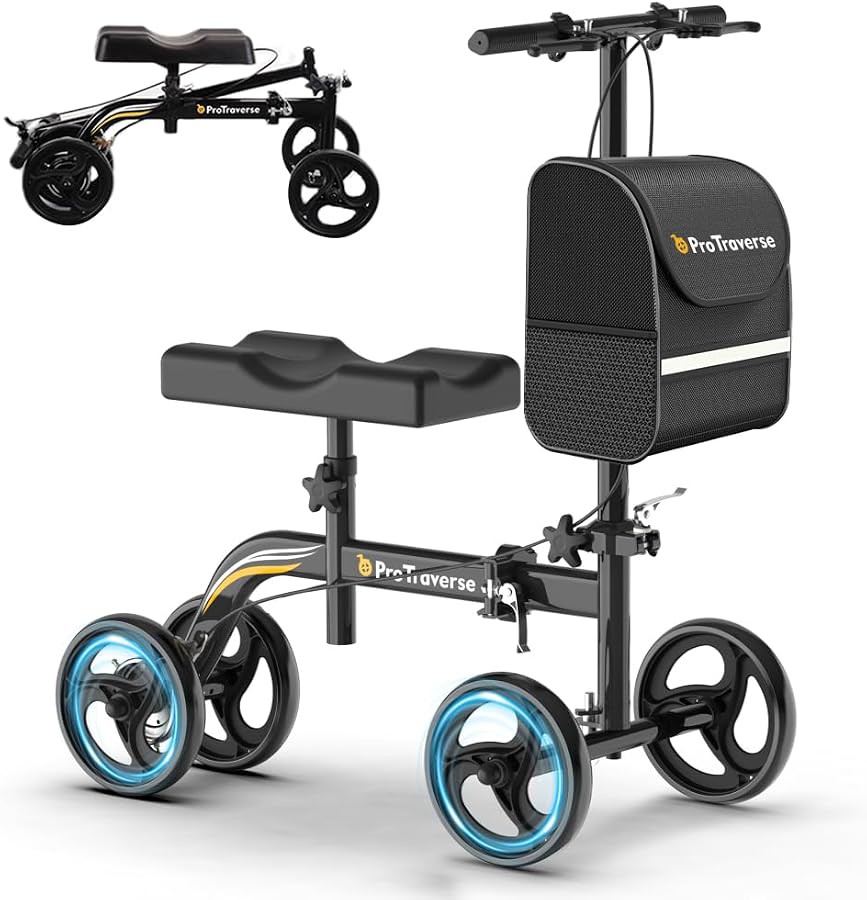
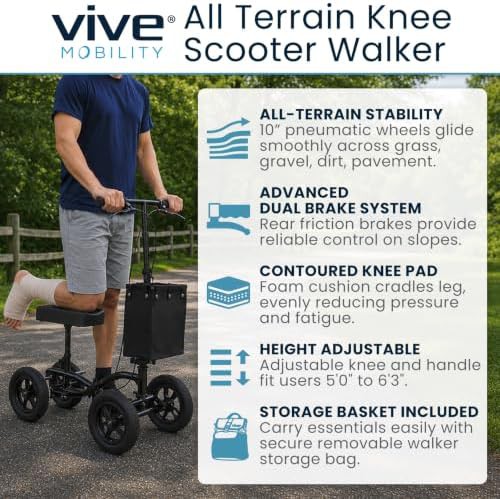
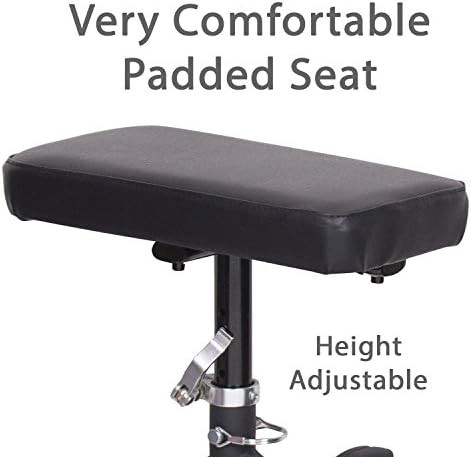
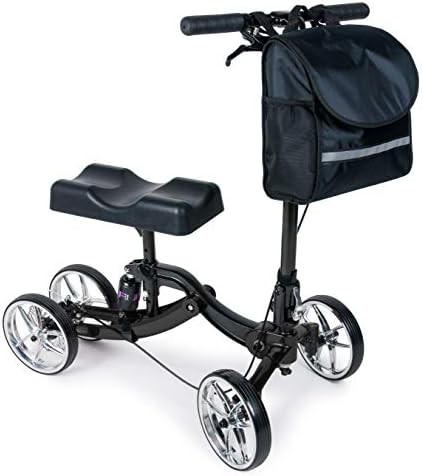
- Contoured knee pads with memory foam
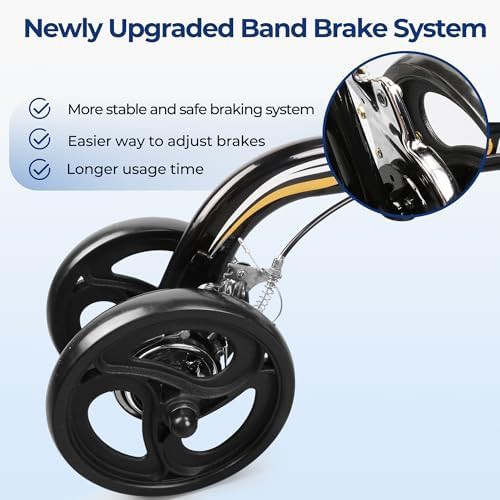
- Dual hand-brake systems with locking parking brakes
- Tool-free height adjustment for the leg and handles
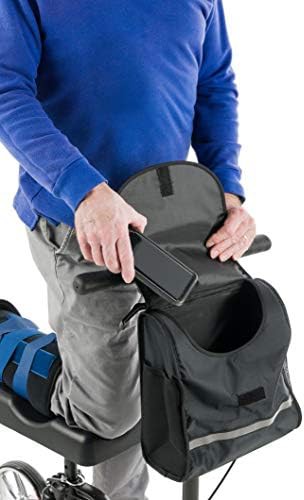
- Detachable front baskets for hands-free carrying
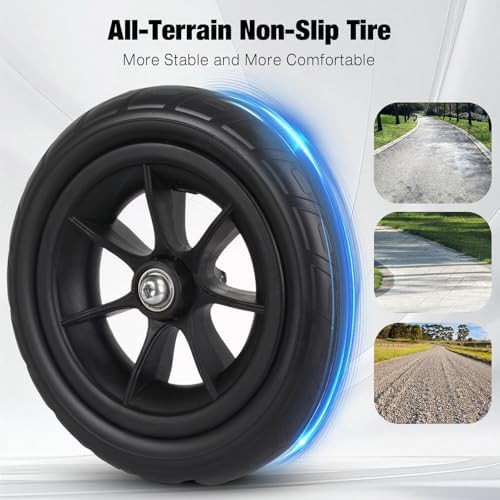
- 8 in non-marking rubber wheels for indoor floors
Selecting a walker for daily use
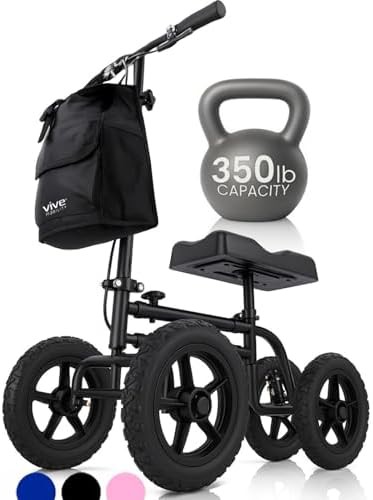
Review the brand pages for BodyMed or Vive Health to compare frame weights. A lighter frame is easier to maneuver in small apartments, while a heavier frame might feel more secure if you have balance concerns. Check the padding thickness if you expect to be on the walker for several hours a day.
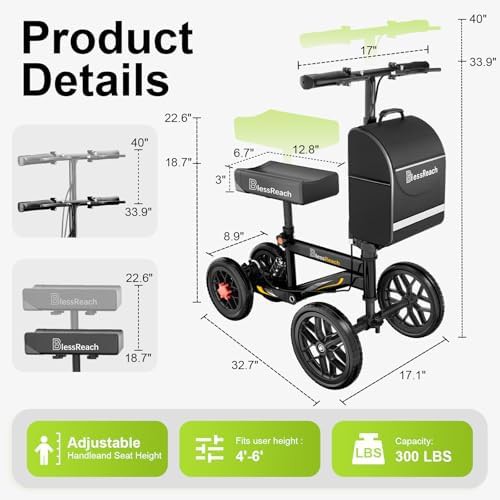
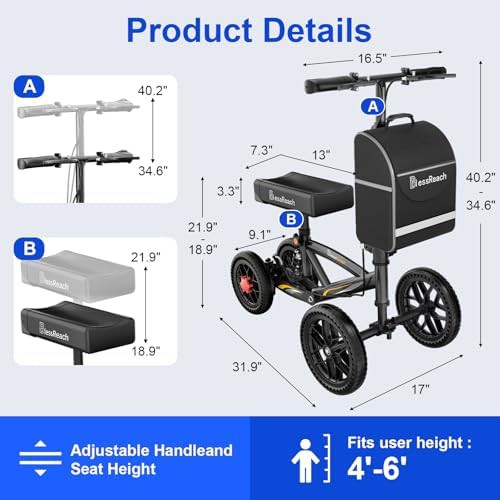
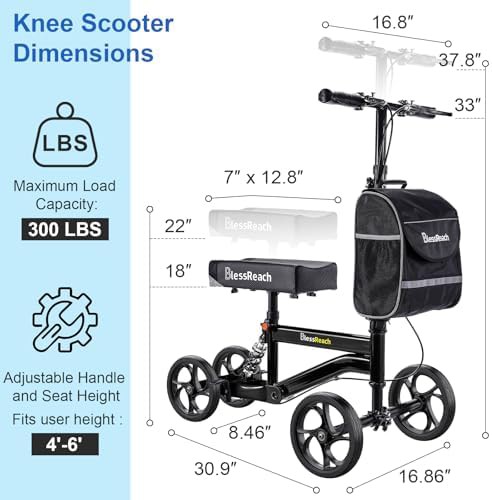
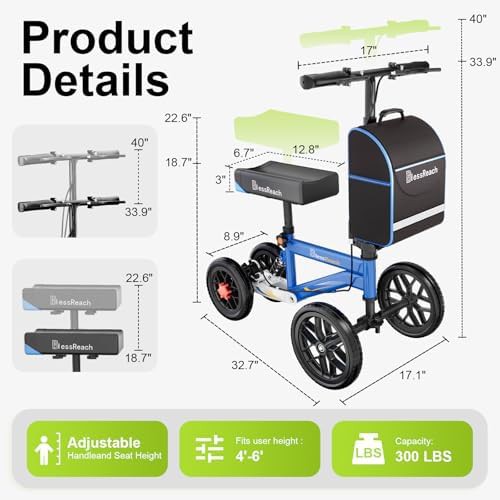
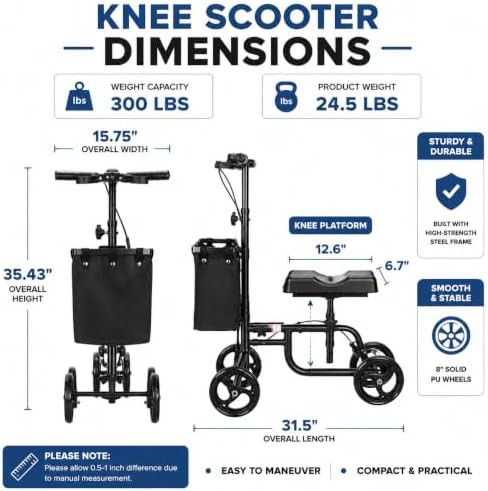
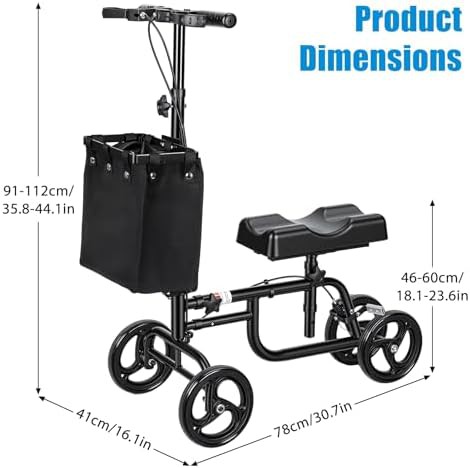
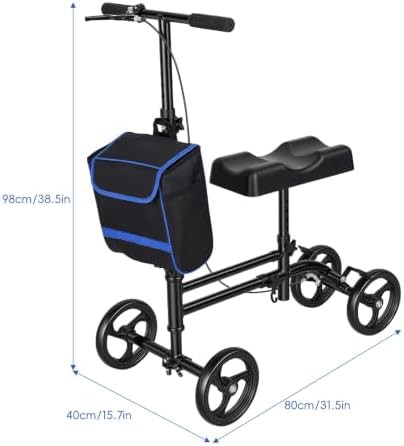
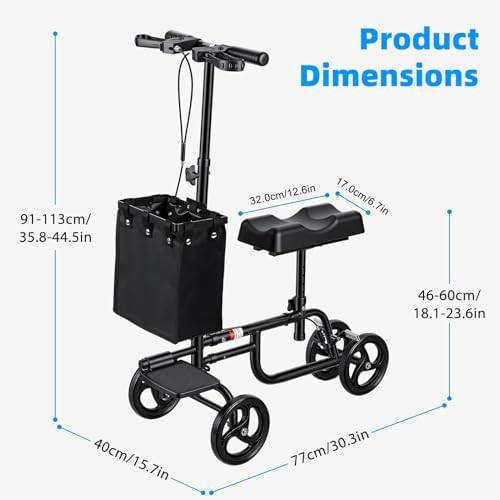
FAQ: How do I know if the walker fits my height? Check the product details for the recommended user height range, usually spanning from 5 ft to 6 ft 4 in. Can I lock the brakes? Yes, most models feature a push-button or lever lock to keep the scooter still while you stand up. Is assembly difficult? Most of these units arrive partially assembled and require only the handlebars and knee pad to be inserted. How wide are these walkers? Most standard models are about 16 in to 18 in wide to fit through standard interior doorways.