Recovery tools for foot and ankle trauma
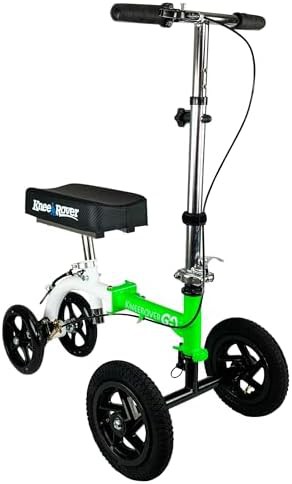
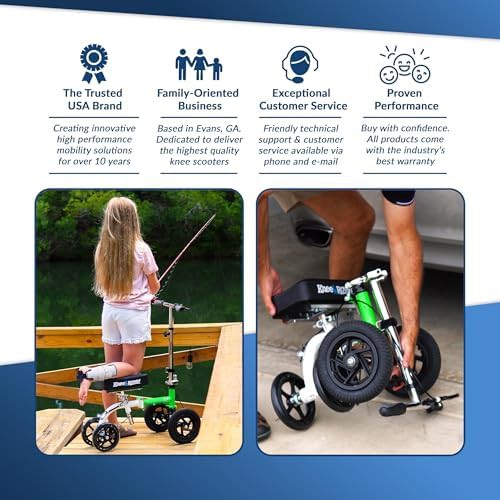
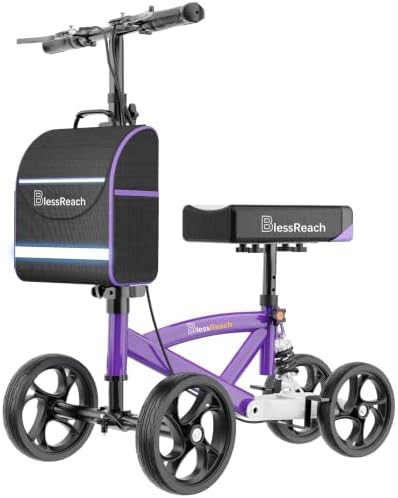
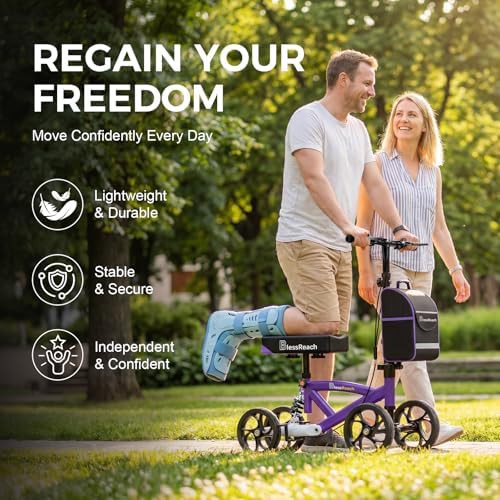
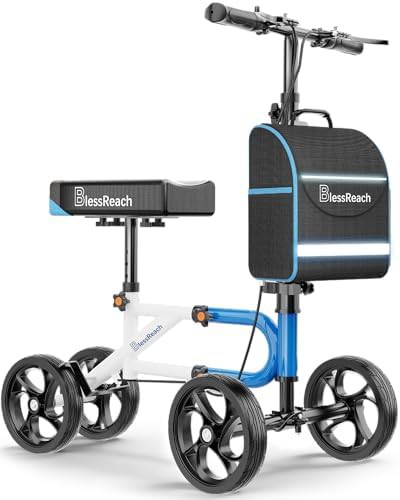
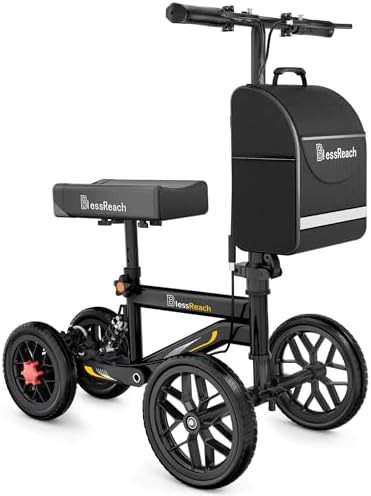
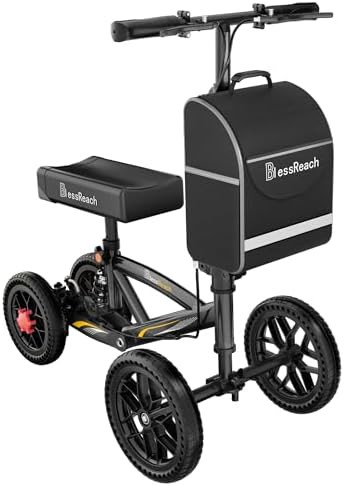
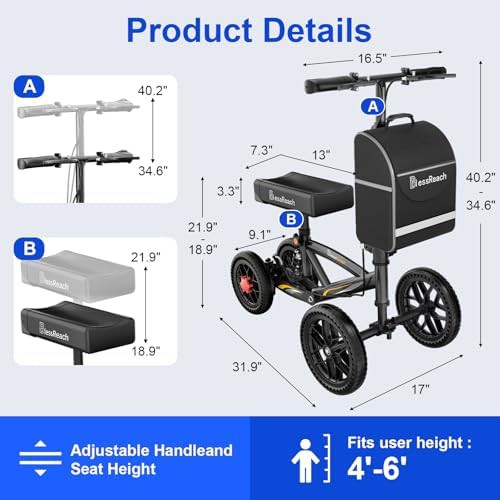
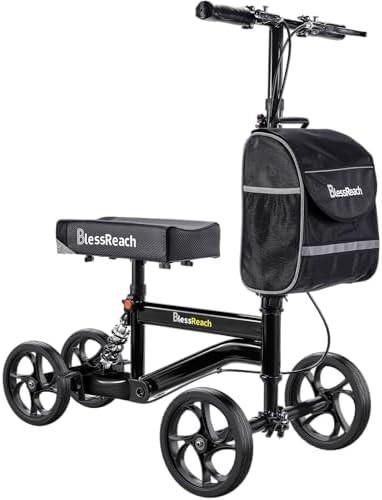
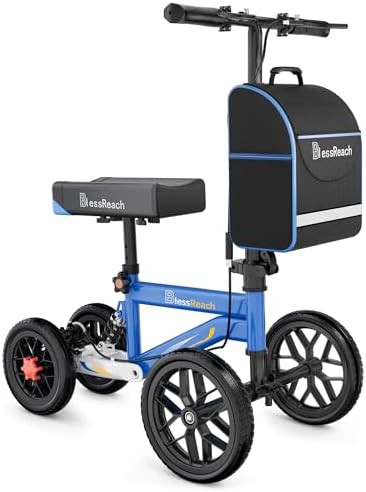
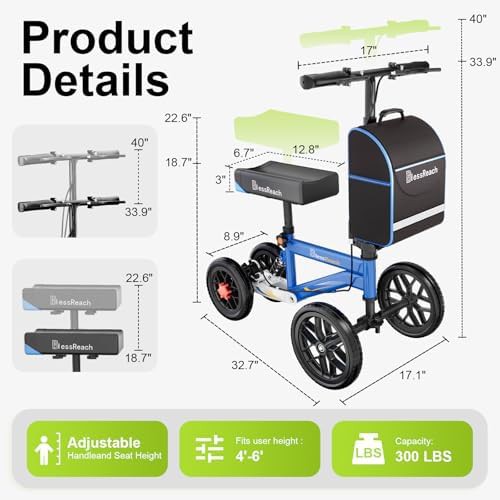
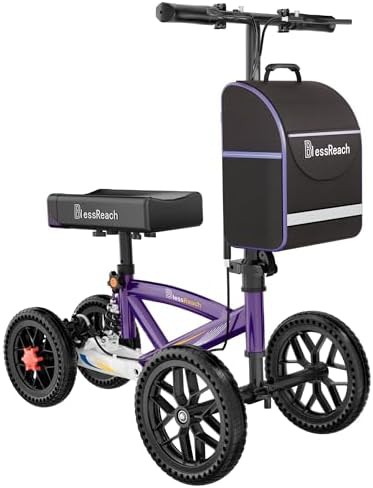
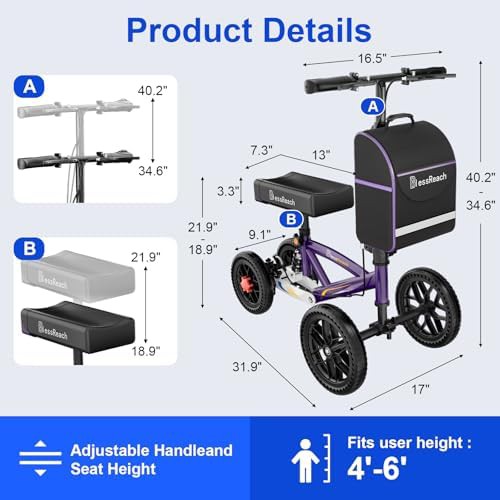
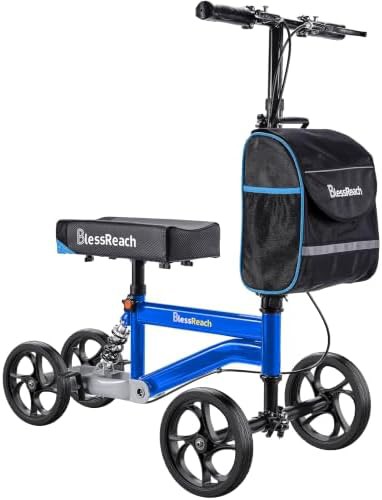
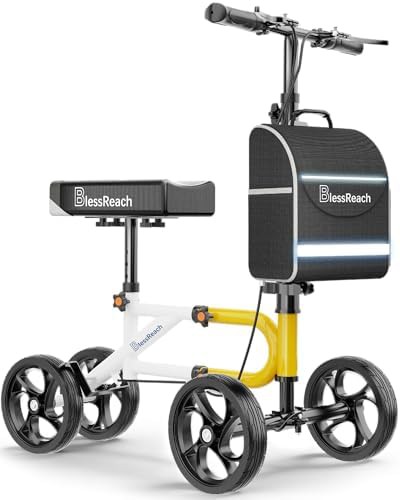
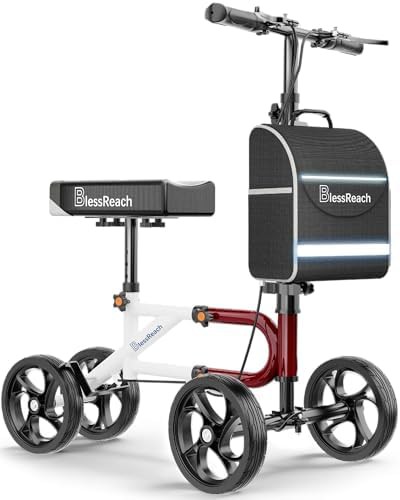
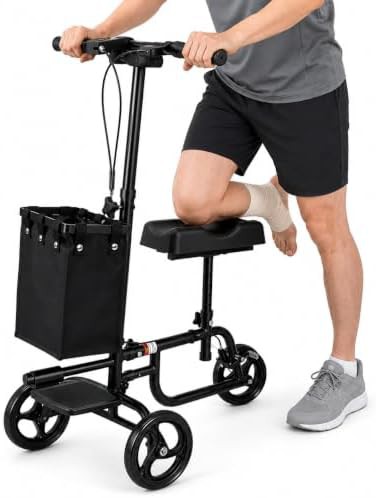
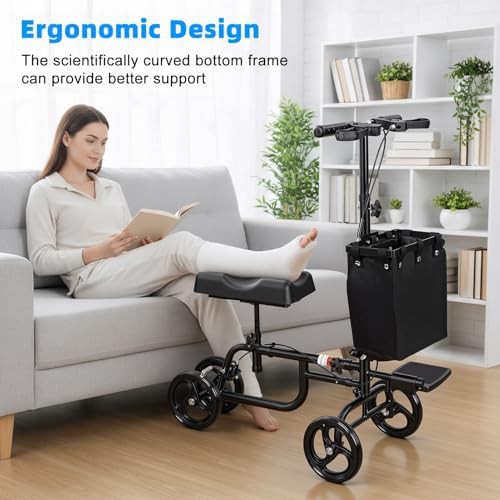
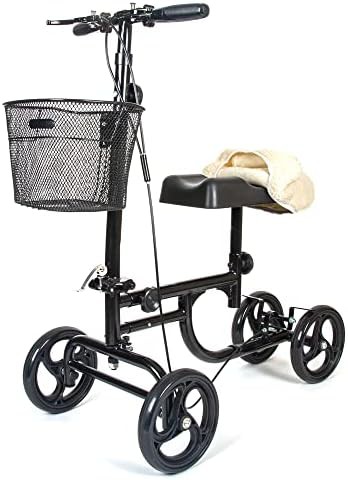
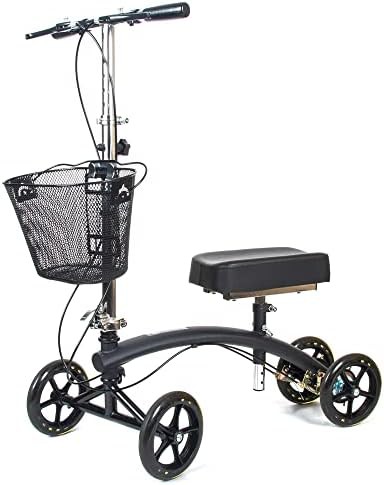
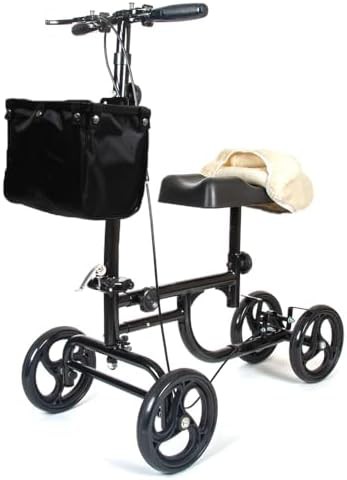
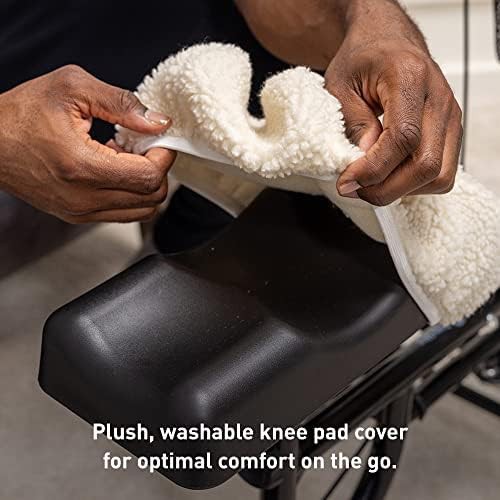
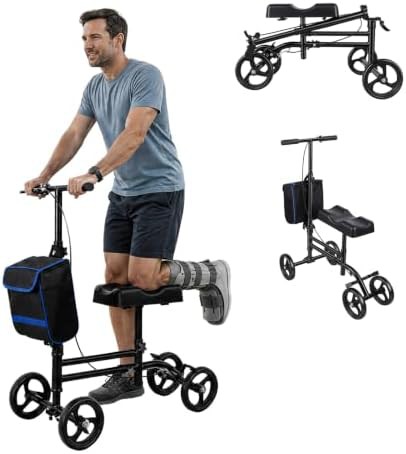
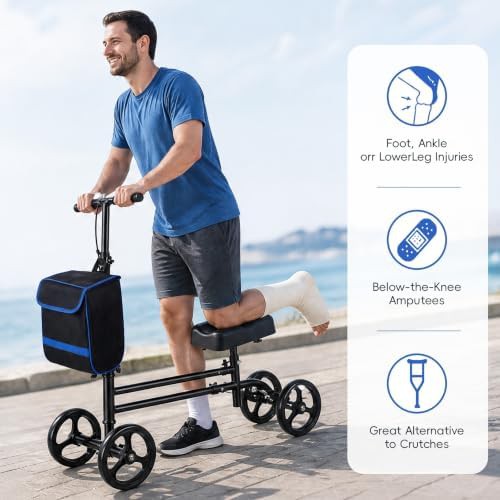
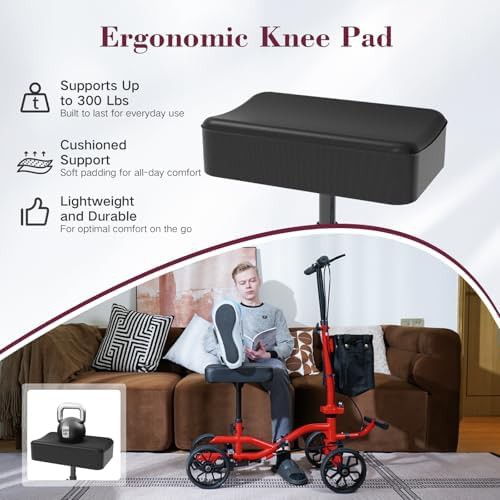
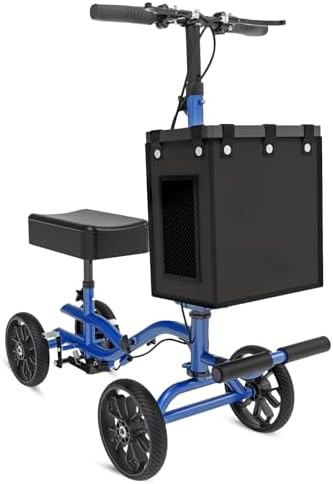
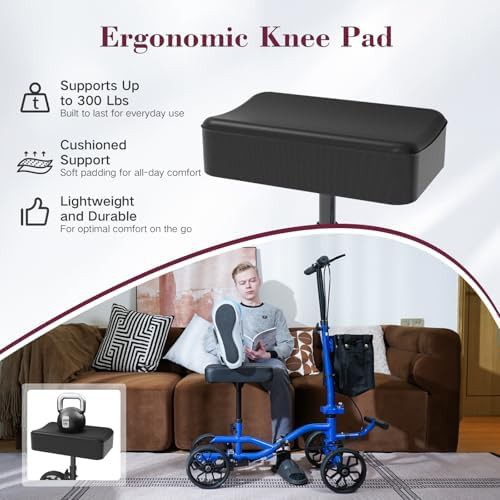
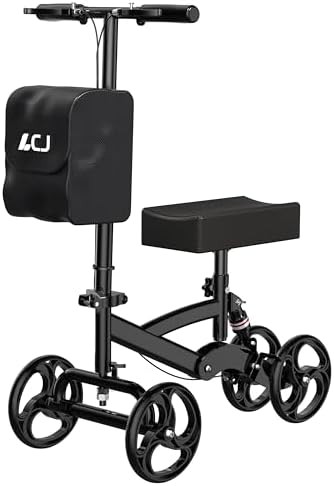
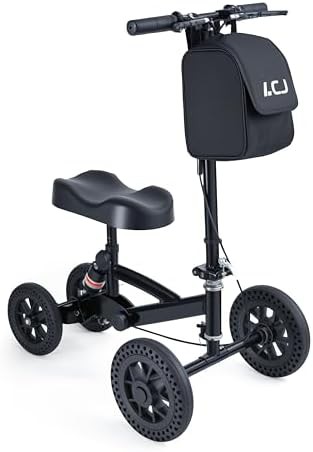
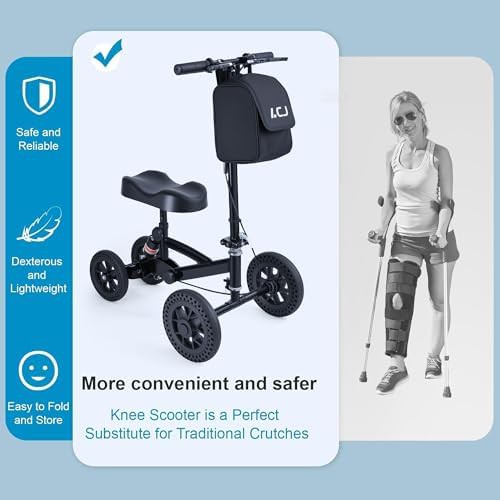
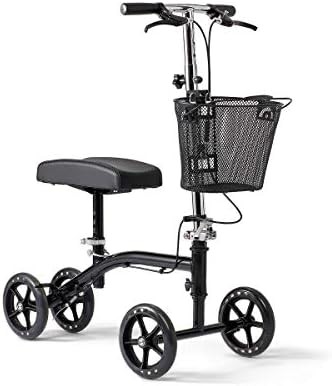
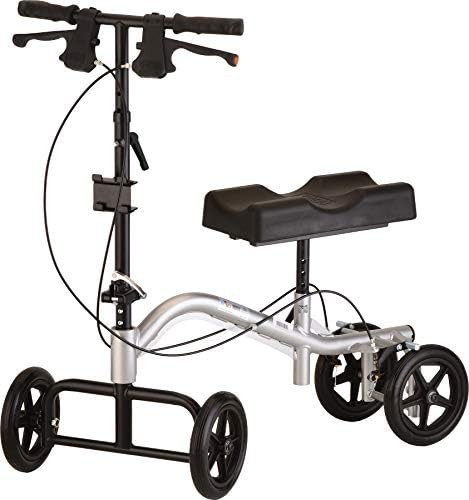
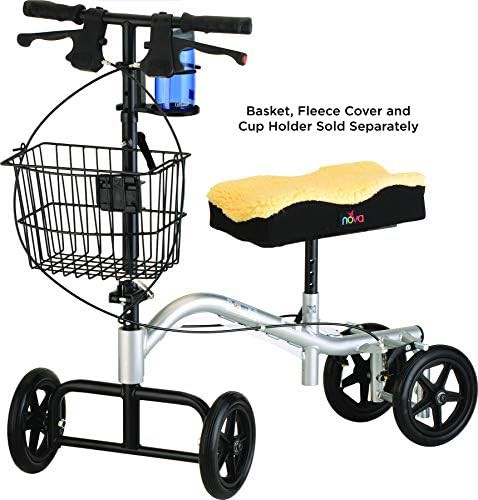
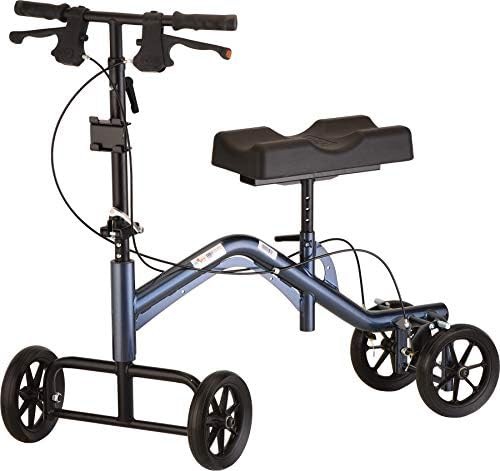
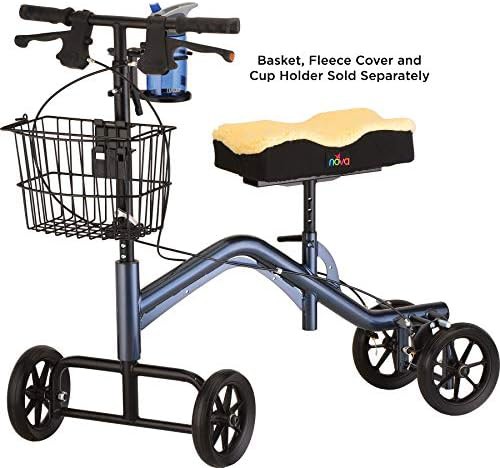
These listings focus on mobility for people with sprains, fractures, or chronic instability. A knee walker keeps the injured ankle elevated and non-weight bearing. This allows for movement without the underarm strain caused by traditional crutches.
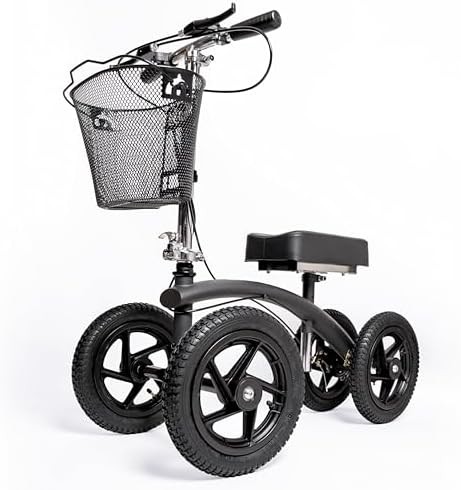
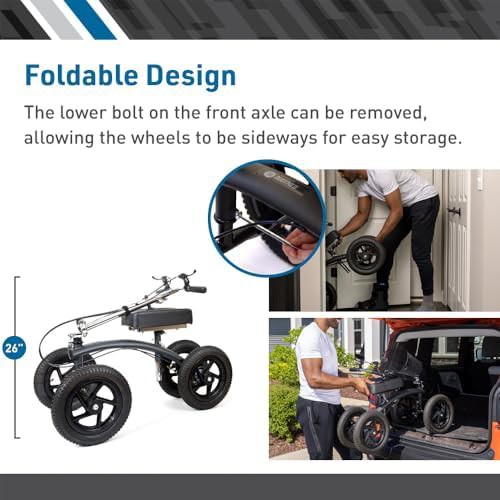
The brands in this set, such as Medline and BodyMed, offer different wheel configurations. Some are built for flat indoor surfaces while others use rugged tires for outdoor sidewalks. These tools are helpful for maintaining independence during the weeks following an ankle cast application.
Stability specs for these listings
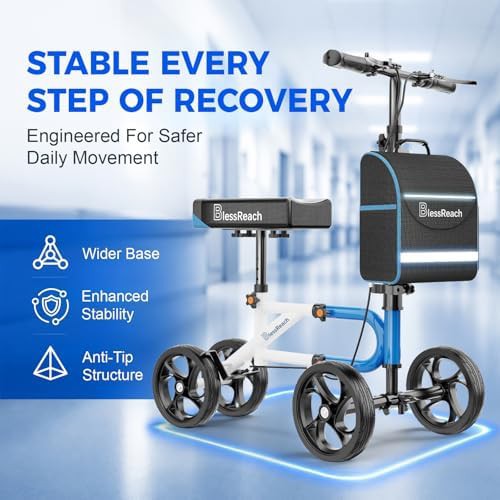
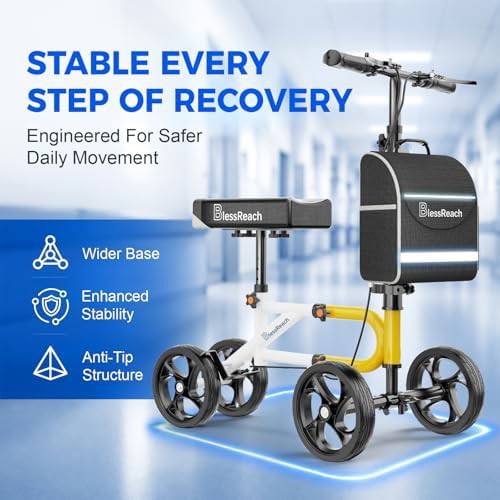
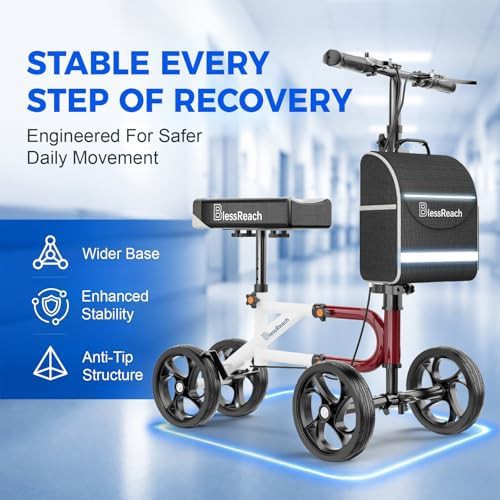
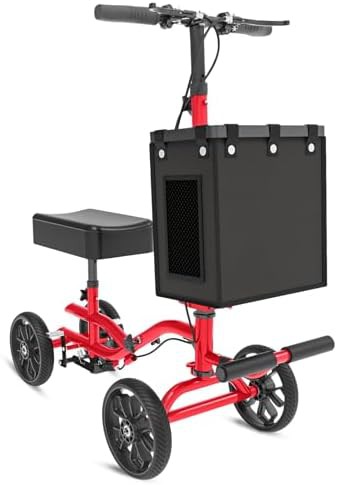
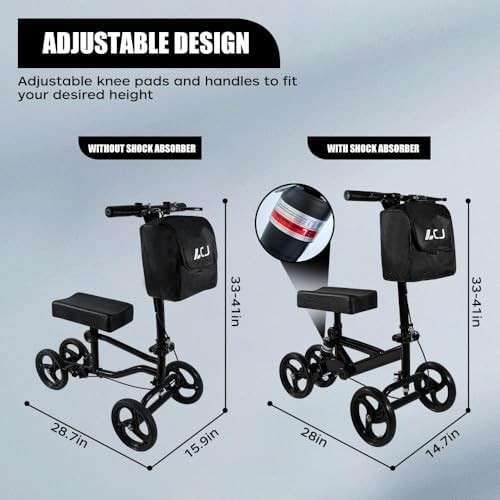
Technical details are the most important factor when choosing a recovery aid. Look for models with a wide front axle to prevent tipping during turns. The braking system should be easy to engage with one hand to ensure the unit stays still when you are getting on or off.
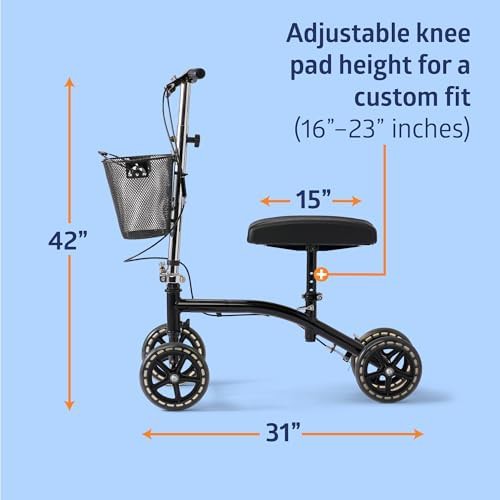
- 8.0 in rubber wheels for floor grip
- All-terrain tires for gravel or grass
- Locking hand brakes for safe sitting
- Heavy-duty steel or aluminum frames
- Dual rear-wheel braking systems
Surface compatibility and FAQ
When browsing these brands, prioritize the braking system. Dual rear brakes provide more control on inclines. If your recovery involves uneven surfaces, the all-terrain models with larger air-filled tires are more stable than standard PVC wheels found on basic models.
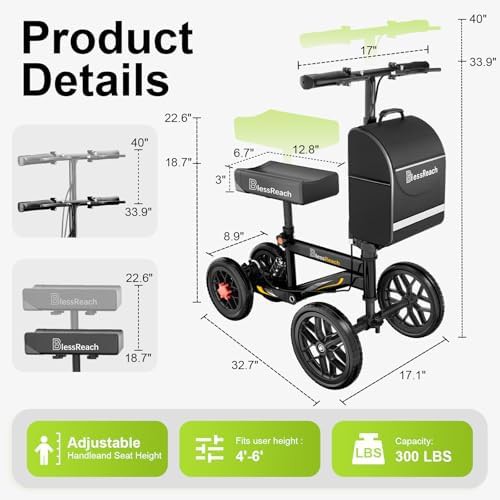
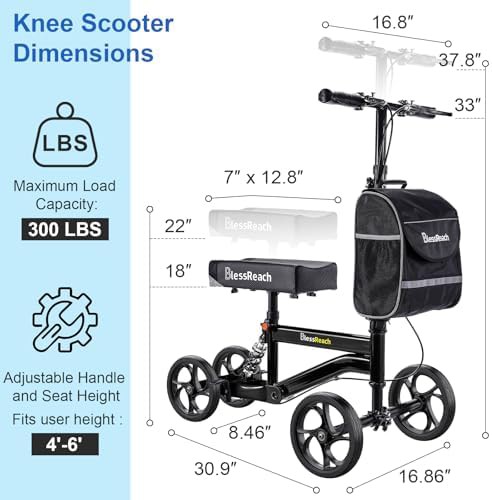
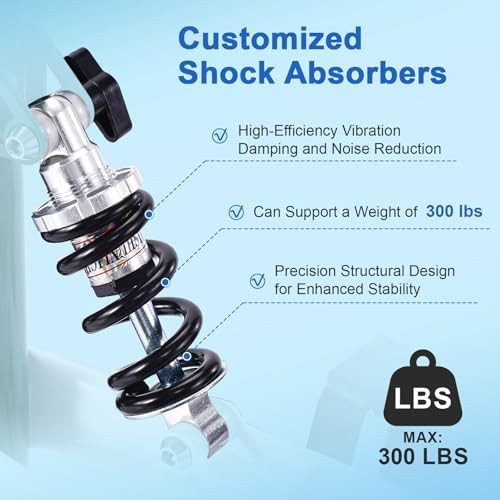
How do the brakes work? Dual braking systems usually lock the rear wheels when you squeeze the hand levers. You can also engage a parking lock for stability while standing. Is assembly required? Most require basic tool-free setup that takes about 10 minutes. You usually just need to insert the handlebars and knee post. Can I use this for a broken ankle? Yes, it is designed to keep all weight off the ankle joint. It is a common alternative to crutches for non-weight bearing orders. What is the weight limit? Most models in this catalog support between 250 lb and 350 lb. Always check the specific brand page for the exact capacity.